Robotics and Automation in South America
South America is witnessing increased activity in robotics research and automation, supported by universities, industry and innovation hubs. In Brazil, robotics teams at universities compete internationally, contributing to development and skill building. Notable examples include teams from the Federal University of Rio de Janeiro and other institutions competing in robotics competitions such as RoboCore Experience — Latin America’s largest robotics event with hundreds of entries across categories like robot sumo, soccer and line following.
Humanoid and industrial robotics are active areas of interest in Brazil’s private and academic sectors, including companies focused on automation and artificial intelligence integration.
Brazil’s Robotics Ecosystem
Brazil hosts a diverse range of companies and research groups involved in robotics and automation:
- RN Robotics (Rio Negro, Brazil), specializing in industrial robotic solutions.
- Daedalus Tech (Bauru), focusing on advanced technology development including robotics and AI.
- Neurobots (Recife), developing technology for medical and rehabilitation robotics.
- IBOTER Automaçâo e Robótica (Curitiba), offering industrial automation and robotic project development.
These companies illustrate the breadth of robotics expertise — from automation platforms and AI integration to specialized engineering services — within Brazil’s tech landscape.
Agriculture, Automation, and Field Robots
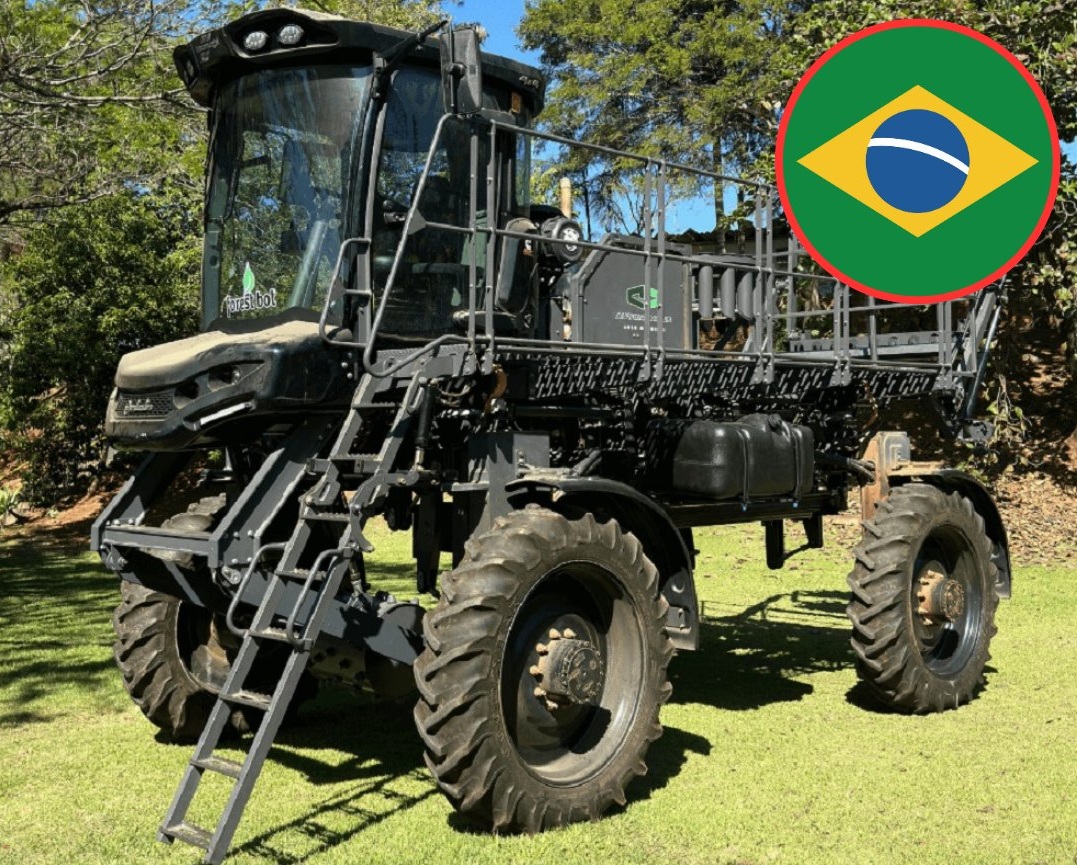
Robotics in Brazil also extends into agricultural technology, where autonomous machines and AI-enabled systems support crop monitoring, field analysis and operational efficiency. For example, the Brazilian ag-tech company Solinftec has developed autonomous robotic systems that assess plant health, detect weeds and monitor entire field ecosystems, illustrating how robotics and automation directly support key sectors such as agribusiness.
AI Infrastructure and Liquid Cooling Trends
While specific Brazilian researchers with liquid-cooling inventions could not be verified with named credentials, the broader technology trend toward AI demand and advanced data-centre cooling is real and supported by industry studies. As AI and high-performance workloads push the limits of traditional air-cooled facilities, liquid cooling has emerged as a global data-centre standard due to its superior efficiency, reduced power usage and future readiness — a trend documented across multiple technology sectors.
Brazilian initiatives involving major data-centre infrastructure show investment in advanced computing ecosystems to support AI growth, such as partnerships between local engineering firms and data-centre operators to enhance high-performance infrastructure capable of handling AI workloads — reflecting how Brazil is positioning itself to support AI and robotics adoption in industry.
Research and Competition Culture
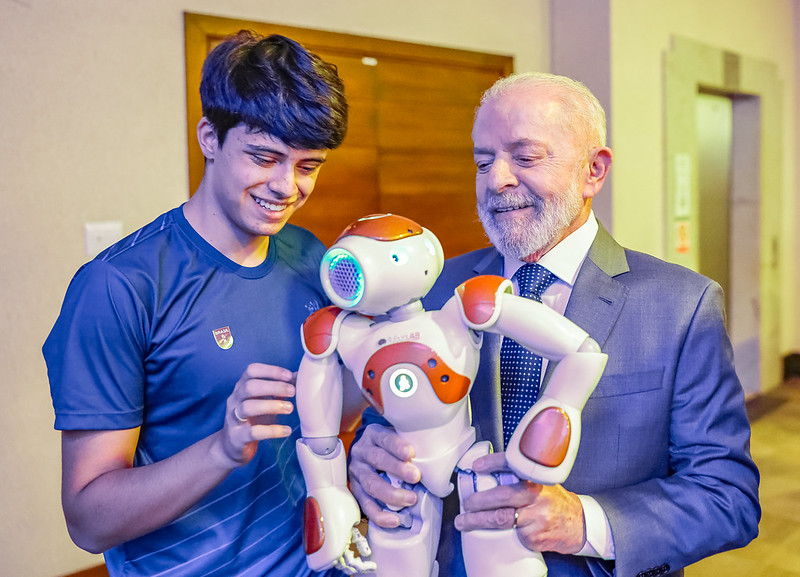
Brazil’s academic and student robotics communities — including teams from the Federal University of Rio de Janeiro, University of São Paulo and Instituto Mauá de Tecnologia — participate actively in events like RoboCore and RoboCup, contributing to engineering research, machine vision and autonomous systems development.
Programs such as these help cultivate talent and contribute to long-term robotics growth, even if they are not directly tied to specific corporate products or household robotic platforms.
Looking Ahead
South America, and Brazil in particular, continues to foster robotics innovation especially at the intersection of automation, AI and economic sectors such as agriculture, manufacturing and automation services. Students, companies and research labs are part of a growing ecosystem with global connectivity — and trends in AI computing infrastructure (like AI-ready data centres) reflect evolving technology priorities. While specific ground breaking humanoid robots with multimodal mobility have not been substantiated in public sources, the region’s robotics activity and infrastructure growth are documented and ongoing.


